

 NEWS
A thematic session on the implementation of the Awaza Programme of Action was held on the sidelines of COP31
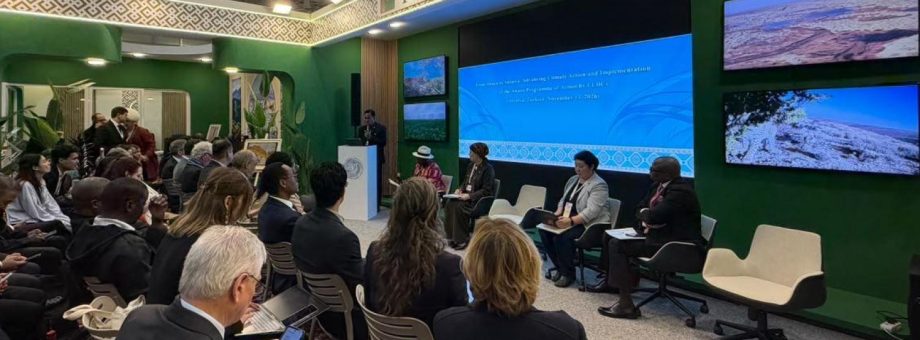
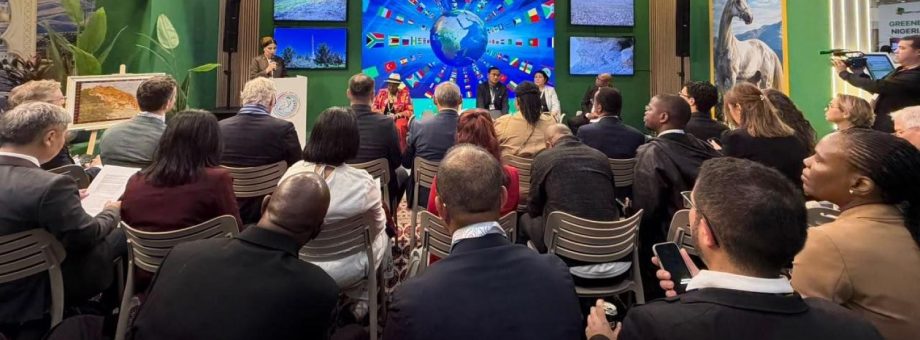
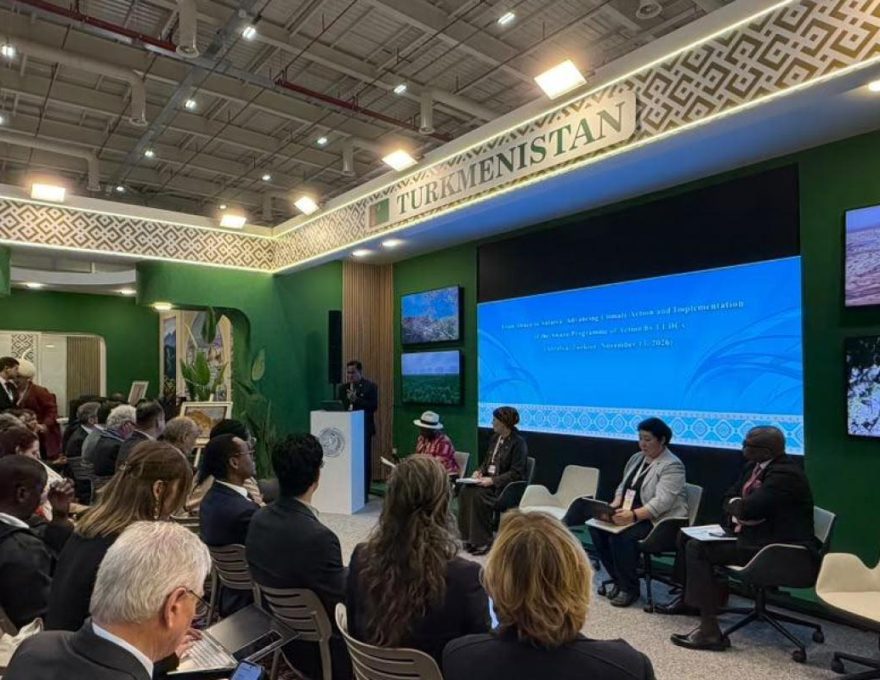
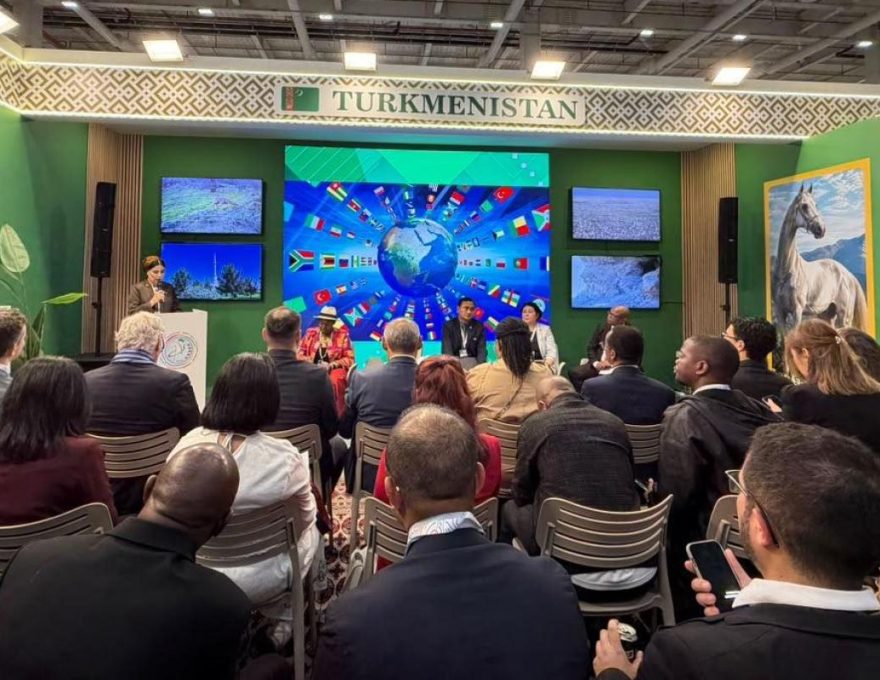
On 13 November 2026, at the Turkmenistan Pavilion, a second thematic session was held as part of the 31st session of the Conference of the Parties to the United Nations Framework Convention on Climate Change (COP31) in Antalya. It was titled “From Awaza to Antalya: advancing climate action and implementing the Awaza Programme of Action for landlocked developing countries”.
The event was devoted to strengthening international cooperation on climate change and to the practical implementation of the Awaza Programme of Action for 2024-2034. The programme was adopted at the Third United Nations Conference on Landlocked Developing Countries (LLDC3), held in Turkmenistan in August 2025.
Representatives of landlocked developing countries, international organizations, specialized agencies of the United Nations and other development partners took part in the session.
The rector of the Institute of International Relations of the Ministry of Foreign Affairs of Turkmenistan, Gulshat Yusupova, delivered the opening remarks.
The event reviewed the climate aspects of the Awaza Programme of Action, including strengthening climate resilience, expanding access to climate finance, transferring modern technologies and building national capacity.
Particular attention was paid to countries’ practical experience in implementing national climate priorities. Representatives of Bhutan, Kyrgyzstan, Bolivia, Botswana, Azerbaijan, Kazakhstan, Uzbekistan and Mongolia shared their approaches to climate change adaptation, sustainable development and strengthening regional cooperation.
A separate discussion involved representatives of the Food and Agriculture Organization of the United Nations (FAO), the Organization for Security and Co-operation in Europe (OSCE), the World Meteorological Organization (WMO) and other international partners. It covered opportunities for mobilizing financial resources, technological support and preparing joint climate projects.
Participants also considered ways to strengthen interaction between the mechanisms of the UN Framework Convention on Climate Change and the process of implementing the Awaza Programme of Action.
At the end of the session, particular attention was paid to the need to continue coordinating the efforts of landlocked developing countries, to expand the exchange of practical experience and to strengthen partnerships with international organizations in order to carry out specific climate initiatives.
Holding this event within COP31 became an important continuation of the international dialogue begun in Awaza. It confirmed the significance of the Awaza Programme of Action as a basis for promoting sustainable development and climate resilience in landlocked developing countries.